Reducing food waste at home is a simple yet impactful way to save money, conserve resources, and protect the environment. Every year, millions of tons of food go to waste worldwide, much of it from households. By adopting mindful habits in your kitchen and daily routine, you can make a real difference. This post shares practical tips and strategies to help you minimize food waste at home.
Why Reducing Food Waste Matters
Food waste is more than just tossing leftovers. It involves wasted water, energy, and labor that went into growing, processing, and transporting food. Additionally, food waste often ends up in landfills, producing methane, a potent greenhouse gas. Cutting down on wasted food means conserving these resources and reducing pollution.
Plan Your Meals Ahead
One of the most effective ways to reduce food waste is by planning your meals in advance.
Create a Weekly Menu
Before shopping, write down a meal plan for the week. This helps you buy only what you need and reduces impulse purchases that may spoil before use.
Make a Shopping List
Use your meal plan to create a detailed shopping list. Stick to the list while shopping to avoid buying items that won’t get eaten.
Shop Smartly
How you shop influences how much food you waste.
Shop When Hungry
Shopping on an empty stomach can lead to buying more than necessary. Eat a snack or meal before heading to the store.
Buy Loose Produce
Instead of pre-packaged fruits and vegetables, buy loose items. This gives you precise control over amounts and reduces packaging waste.
Store Food Properly
Proper storage extends the life of your groceries and prevents premature spoilage.
Understand Storage Needs
Different foods have different storage requirements. For example, tomatoes do better at room temperature, while leafy greens last longer in the fridge.
Use Airtight Containers
Transfer perishable leftovers and opened products into airtight containers to maintain freshness.
Use Clear Containers
Using clear containers helps you see what food you have, preventing items from being forgotten at the back of the fridge.
Practice Portion Control
Cooking and serving appropriate portions can cut down on uneaten food.
Measure Ingredients
Follow recipes carefully to avoid cooking excess food that might not get eaten.
Serve Smaller Portions
Start with smaller servings and allow people to take seconds if desired. This reduces plate waste.
Be Creative with Leftovers
Leftovers can be transformed into delicious meals rather than discarded.
Plan Leftover Meals
Set aside meals specifically for using leftovers, like soups, stir-fries, or casseroles.
Freeze Extra Portions
If you have more leftovers than you can eat soon, freeze them to enjoy later.
Understand Food Labels
Confusion about “best before,” “use by,” and “sell by” dates leads to unnecessary waste.
"Best Before" vs. "Use By"
“Best before” indicates quality, not safety, meaning food can still be eaten after this date if it looks and smells fine. “Use by” is about safety, so consume food before this date.
Trust Your Senses
Use smell, appearance, and texture to decide if food is still good rather than relying solely on dates.
Compost Food Scraps
Not all food scraps are avoidable, but composting offers an eco-friendly disposal method.
Start a Home Compost Bin
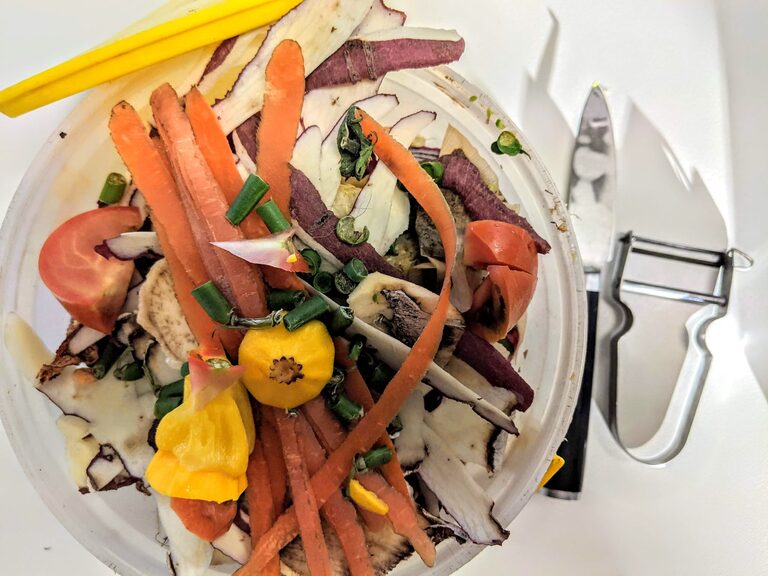
Composting organic waste like vegetable peels, coffee grounds, and eggshells reduces landfill contributions and creates nutrient-rich soil for plants.
Use Community Composting
If home composting isn’t an option, find local composting programs or drop-off points.
Educate Your Household
Encouraging everyone in your home to be mindful about food helps build lasting habits.
Share Tips and Goals
Discuss the importance of reducing food waste and share strategies with family or roommates.
Involve Kids
Teach children about food waste through fun activities like cooking or composting.
Conclusion
Reducing food waste at home is a manageable and rewarding goal. By planning meals, shopping wisely, storing food correctly, managing portions, and creatively using leftovers, you can cut down on wasted food. Combined with composting and educating your household, these small changes add up to a big impact for your wallet and the planet. Start implementing these tips today and enjoy the benefits of a more sustainable kitchen!
About the Author