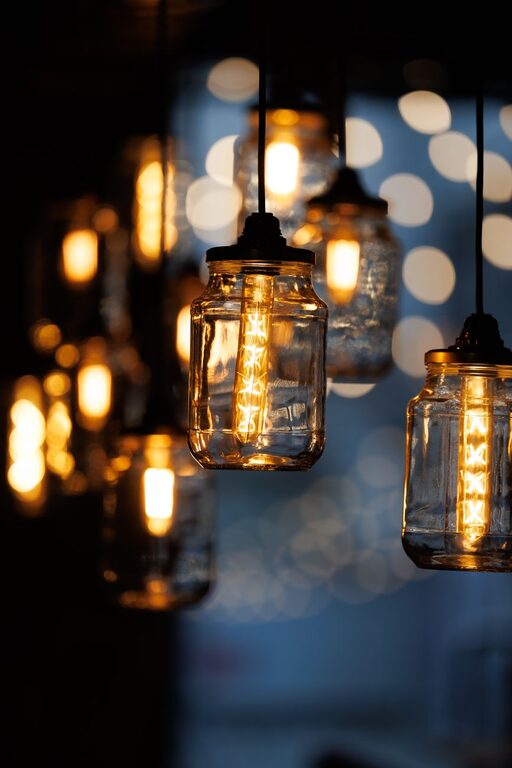
Creating a comfortable and inviting home environment often starts with one key element: lighting. The right lighting can transform a room, boost your mood, and even improve your productivity. However, choosing the perfect lighting for your home can sometimes feel overwhelming given the variety of options available. This guide will provide helpful tips on how to select comfortable home lighting that suits your needs and enhances your living space.
Understanding Comfortable Lighting
Comfortable lighting isn’t just about brightness; it’s about how the light makes you feel in your space. Too harsh or too dim lighting can cause eye strain, headaches, or simply make a room feel uninviting. Comfortable lighting strikes a balance between illumination and atmosphere, supporting your activities while creating a cozy ambiance.
Key Characteristics of Comfortable Lighting:
– Warmth: Soft, warm light is generally easier on the eyes and creates a relaxing environment.
– Brightness: Adequate light levels prevent eye strain without overwhelming the space.
– Glare control: Minimizing glare improves visual comfort.
– Flexibility: Adjustable lighting allows you to customize brightness and mood depending on the time of day or activity.
Tips for Choosing Comfortable Home Lighting
1. Consider the Purpose of Each Room
Different rooms have different lighting needs. Identifying how you use each space helps you choose appropriate lighting.
– Living Room: A mix of ambient lighting (general illumination) and task lighting (reading lamps) works well here.
– Kitchen: Bright, focused lighting on work surfaces is essential for safety and efficiency.
– Bedroom: Soft, warm lighting promotes relaxation and restful sleep.
– Bathroom: Bright, natural light is helpful for grooming, with softer lights for relaxing baths.
– Home Office: A balance of bright ambient light and adjustable task lighting reduces eye strain.
2. Choose the Right Bulb Type
The type of bulb affects light quality and comfort.
– LED bulbs: Energy-efficient, long-lasting, and available in various color temperatures from warm to cool. They often offer dimming options.
– Incandescent bulbs: Provide warm light but use more energy and have shorter lifespans.
– CFL bulbs: More energy-efficient than incandescent but can have a cooler tone that some find less comfortable.
Opt for bulbs labeled with a color temperature between 2700K and 3000K for warm, comfortable light.
3. Pay Attention to Color Temperature
Color temperature is measured in Kelvins (K) and influences the mood of a space.
– Warm White (2700K-3000K): Cozy, inviting, ideal for living spaces and bedrooms.
– Neutral White (3500K-4100K): Balanced, suitable for kitchens and work areas.
– Cool White (5000K+): Bright and crisp, often preferred in workspaces or garages.
For comfort, softer warm tones generally work best in living areas, while neutral or cool tones might be better suited for task-oriented spaces.
4. Layer Your Lighting
Using multiple types of lighting allows you to adjust the mood and functionality easily.
– Ambient Lighting: The main source of light in a room (ceiling fixtures, recessed lights).
– Task Lighting: Focused light for specific activities (desk lamps, under-cabinet lights).
– Accent Lighting: Highlights features like artwork or architectural details.
Layering helps avoid overexposure and shadows, creating a well-balanced environment.
5. Use Dimmers and Smart Controls
Dimmers allow you to adjust brightness levels to suit the time of day and activity, which reduces eye strain and sets the mood. Smart lighting systems or apps let you automate changes, set schedules, and customize colors, offering convenience and enhanced comfort.
6. Avoid Glare and Shadows
Position lights carefully to prevent glare, which can be uncomfortable and distracting. Use lampshades, frosted bulbs, or indirect lighting to soften harsh light. Also, ensure task lighting is shadow-free to improve visibility.
7. Match the Lighting Style to Your Décor
Comfort also comes from visual harmony. Choose fixtures that complement your home’s style—whether modern, traditional, rustic, or minimalist. The right fixtures contribute to the overall atmosphere, making the space more inviting.
8. Consider Natural Light
Maximize natural light during the day by using sheer curtains or adjustable blinds. Natural light supports well-being and reduces reliance on artificial lighting. Position mirrors strategically to reflect daylight into darker corners.
Additional Tips for Specific Rooms
Lighting the Living Room
– Use a central ceiling light for ambient brightness.
– Add floor and table lamps for task and accent lighting.
– Choose warm bulbs for a cozy feel.
Lighting the Kitchen
– Bright, cool-toned overhead lights for clarity.
– Under-cabinet lighting to illuminate countertops.
– Pendants above kitchen islands for style and function.
Lighting the Bedroom
– Soft bedside lamps or wall sconces.
– Dimmer switches for adjustable ambiance.
– Avoid bright overhead lights directly overhead.
Conclusion
Choosing comfortable home lighting doesn’t have to be complicated. By considering the purpose of each room, selecting the right bulbs and color temperatures, layering your lighting, and using adjustable features, you can create a welcoming, functional, and visually pleasing environment. Remember, lighting is not just about seeing—it’s about how it makes you feel in your home.
Experiment with different fixtures and settings to find the perfect blend of comfort and style tailored to your lifestyle. With thoughtful planning, your home will shine in all the best ways.
About the Author